
Thank You For Contacting Us!

We’ve received your request, and our team will be in touch shortly.

At Davis Fences, we’re proud to build fences that are strong, stylish, and built to last.

Got a Question?

Davis Fences Blog
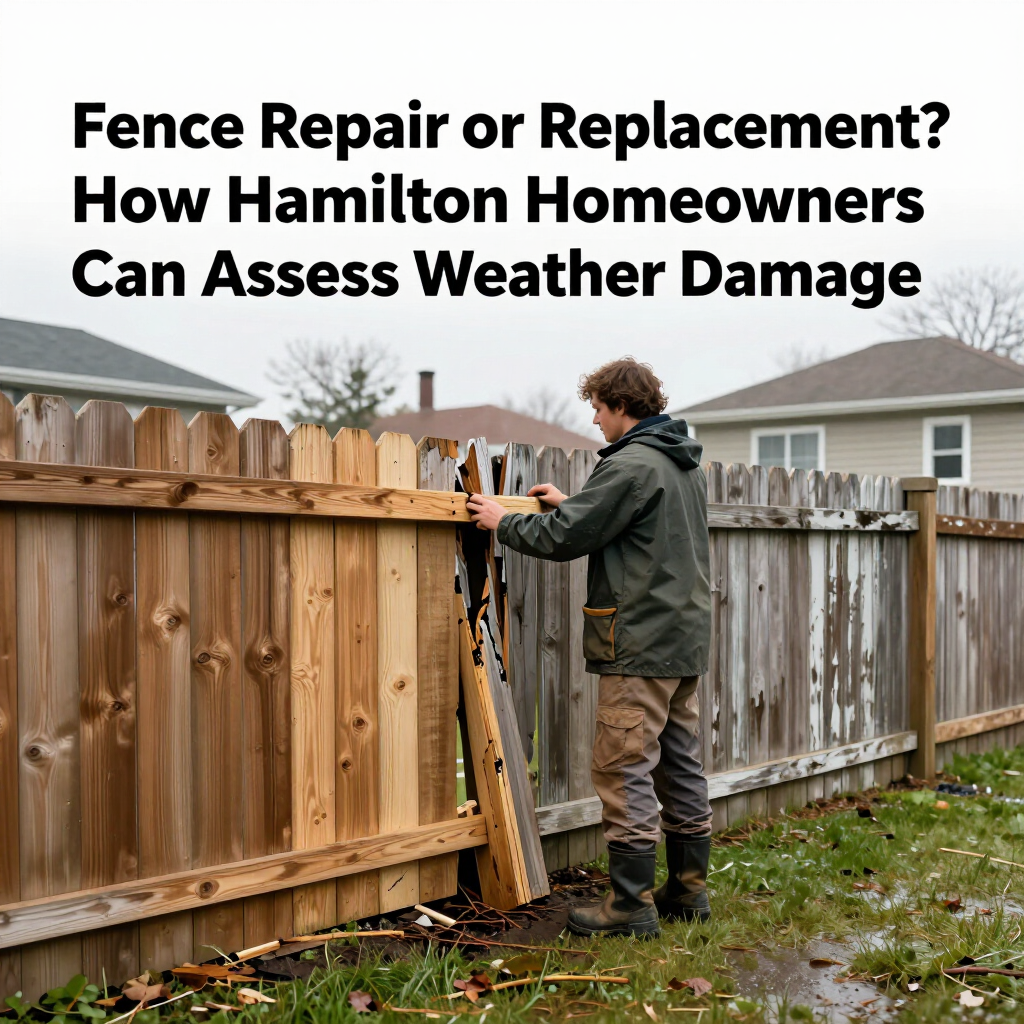
By Chelsey Smith June 2, 2026
When homeowners start shopping for a new fence, one question usually comes up first: What is the best fence for privacy? The answer depends on more than appearance—it comes down to your property layout, maintenance expectations, local regulations, and how much privacy you actually want. For homeowners exploring fencing Hamilton options, choosing the right privacy fence can transform your backyard into a peaceful retreat while adding value and curb appeal. The key is selecting a style that balances privacy, durability, and local compliance.
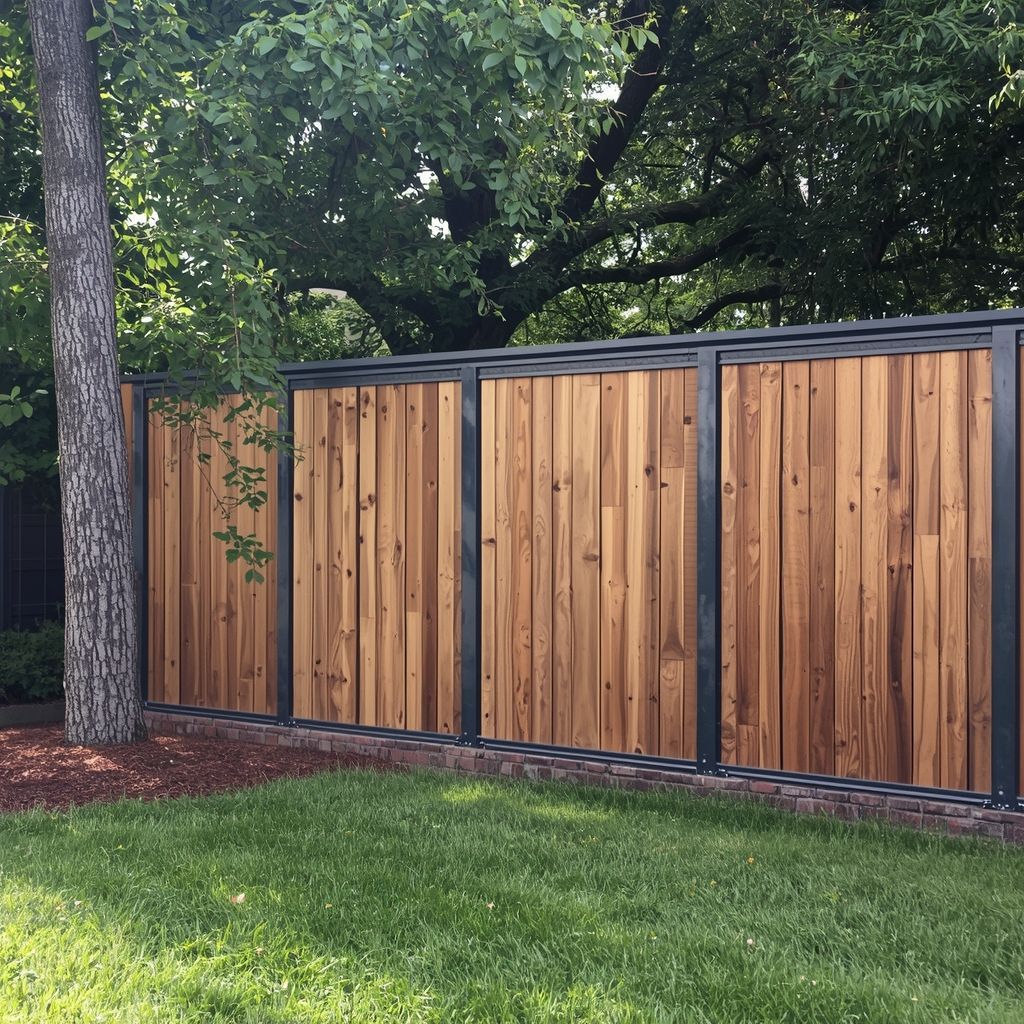
By Chelsey Smith April 24, 2026
If you’re like most homeowners in Hamilton , your fence is something you don’t think about until it starts leaning, rotting, or falling apart. But here’s the reality: waiting too long to replace your fence can cost you more in repairs, safety risks, and curb appeal. So, how often should you replace a fence? The answer depends on materials, maintenance, and—especially in Southern Ontario—our unpredictable climate. Let’s break it down.
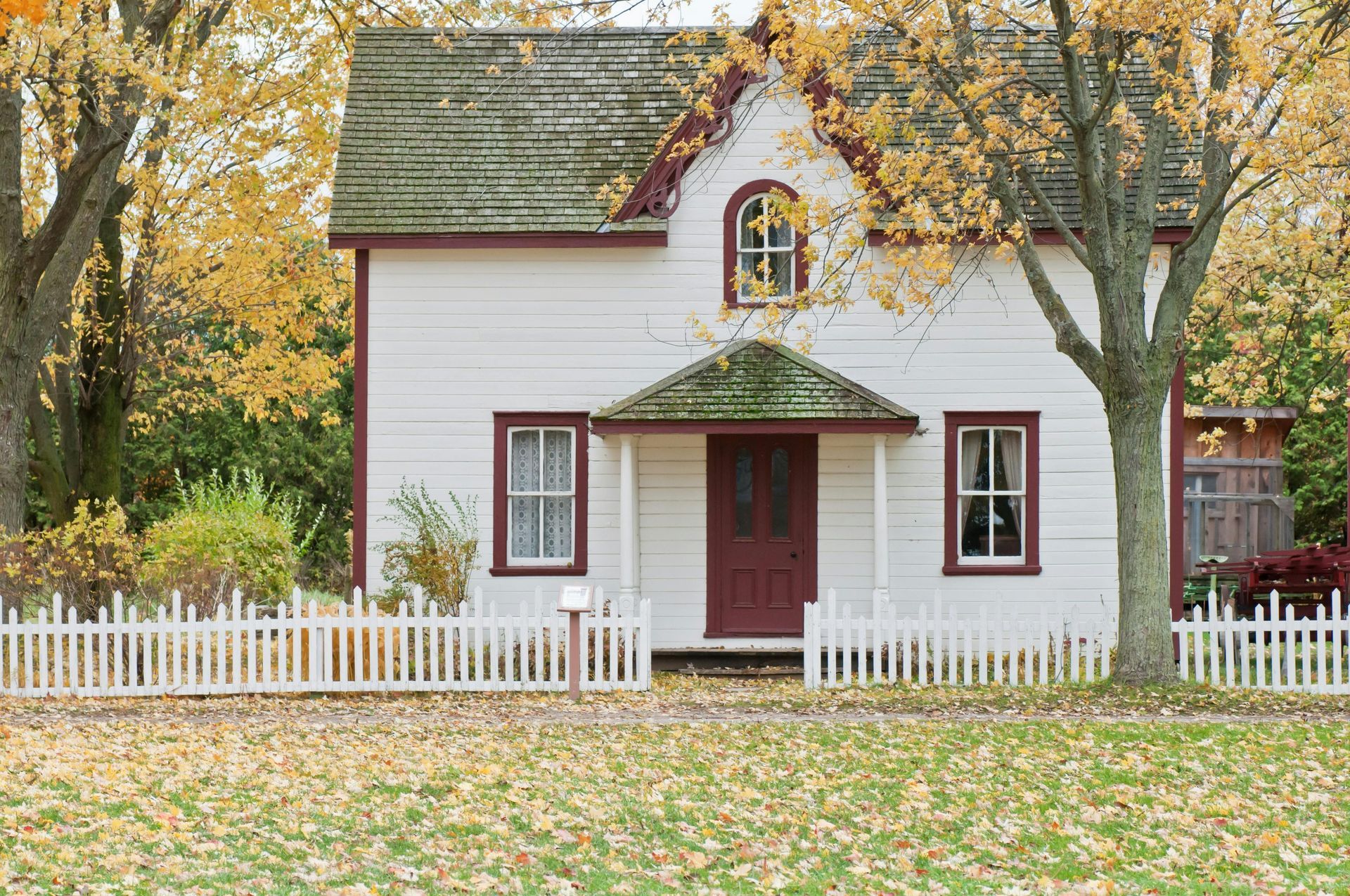
Fence Contractor Hamilton
By Chelsey Smith March 18, 2026
When homeowners think about increasing property value, they often focus on kitchens, bathrooms, or landscaping. However, one feature that is often overlooked is fencing. The right fence can significantly improve curb appeal, privacy, and security — all factors that influence how buyers perceive a property. For homeowners in Hamilton and the surrounding area, working with experienced professionals like Davis Fences in Hamilton can make a meaningful difference in both aesthetics and long-term value.

February 27, 2026
Your home's exterior deserves as much attention as the interior. A well-chosen fence does more than just mark your property lines; it enhances curb appeal, provides crucial security, and creates a private sanctuary for your family. Whether you are looking to keep pets safe, block out noise from a busy street, or simply add a finishing touch to your landscape, the right fence makes a significant difference. With so many materials and styles available, selecting the perfect option can feel overwhelming. This guide breaks down creative and practical fence ideas to help you make an informed decision that suits your home, budget, and lifestyle. Why the Right Fence Matters Before diving into styles, it is helpful to understand what you need your fence to achieve. Most homeowners prioritize one of three things: ● Privacy: Blocking the view from neighbors or the street. ● Security: Keeping children and pets in, and unwanted guests out. ● Aesthetics: enhancing the visual appeal of the home. Once you identify your primary goal, you can narrow down the materials and designs that work best for you. Classic Wooden Fences Wood remains the most popular choice for residential fencing, and for good reason. It offers a timeless, natural look that blends seamlessly with almost any landscape design. The Traditional Picket Fence Nothing says "classic American home" quite like a picket fence. Typically standing three to four feet tall, these fences are perfect for defining front yards without obstructing views. They keep small dogs safe while maintaining an open, welcoming atmosphere. Vertical Board Privacy Fences If seclusion is your goal, a vertical board fence is a solid choice. These fences are usually six feet tall or higher, with boards placed tightly together to ensure no one can see through. To add style, consider a "good neighbor" design (shadowbox style), which looks identical on both sides, keeping everyone happy. Horizontal Slat Fences For a more modern aesthetic, consider horizontal slats. This style uses wood planks running parallel to the ground. It makes small yards feel larger and pairs beautifully with contemporary architecture. Low-Maintenance Vinyl Fencing If you love the look of wood but hate the idea of painting or staining every few years, vinyl is your answer. Modern vinyl fencing is durable, weather-resistant, and incredibly easy to clean. Why Choose Vinyl? ● Longevity: It won't rot, warp, or suffer from termite damage. ● Variety: Available in various colors and textures, including faux wood grain. ● Clean Look: It maintains a crisp, fresh appearance with just an occasional rinse from a garden hose. Vinyl is excellent for privacy fences and decorative boundary markers alike. While the upfront cost might be slightly higher than wood, the lack of maintenance costs saves money in the long run. Ornamental Iron and Aluminum When elegance and security are the top priorities, ornamental fences shine. These fences mimic the look of traditional wrought iron but are often made from lighter, rust-resistant materials like aluminum or steel. Benefits of Ornamental Fences ● Durability: These fences are built to last for decades. ● Open Views: They provide strong security without blocking the view of your garden or the surrounding scenery. ● Curb Appeal: Their sophisticated look adds immediate value and prestige to a property. This style is particularly popular around pools or for enclosing front yards where you want to showcase your landscaping while keeping the perimeter secure. Practical Chain-Link Fencing Chain-link often gets a bad rap for looking "industrial," but modern options have come a long way. It remains one of the most affordable and effective ways to secure a property. Modern Chain-Link Upgrades ● Color-Coated Options: Black or green vinyl coatings help the fence blend into the background, making it far less obtrusive than bare galvanized steel. ● Privacy Slats: You can insert slats into the mesh to increase privacy without the cost of a wood or vinyl wall. ● Durability: It is incredibly tough and requires virtually no maintenance. For large backyards where budget is a concern, or for keeping active dogs contained, color-coated chain-link is a practical and surprisingly attractive solution. Tips for Choosing the Right Fence Selecting the right fence involves balancing your wants with your property's realities. Here are a few tips to guide your choice: 1. Check Local Regulations: Always check with your HOA or local municipality about height restrictions and material guidelines before installation. 2. Consider Your Climate: Wood may require more upkeep in very damp climates, while vinyl handles moisture effortlessly. 3. Think About Maintenance: Be honest with yourself about how much time you want to spend staining or repairing your fence. 4. Budget Wisely: Remember to factor in the cost of installation and long-term maintenance, not just the initial material cost. Trust the Experts at Davis Fences A fence is a significant investment, and proper installation is just as important as the materials you choose. A poorly installed fence can lean, warp, or fail years before it should. Davis Fences stands out as a premier provider of high-quality fencing solutions. With years of expertise in the industry, they understand the nuances of different landscapes and soil conditions. Whether you need a custom cedar privacy fence or a sleek ornamental iron gate, their team delivers craftsmanship that lasts. They prioritize customer satisfaction, ensuring that every project is completed on time, within budget, and to your exact specifications. When you work with professionals like Davis Fences, you aren't just buying a product; you are buying peace of mind. Next Steps Ready to upgrade your property? Don't leave your curb appeal to chance. Assess your needs, pick your style, and bring in the pros to make it happen. Contact Davis Fences today to discuss your project and get a quote. Let their team help you build the perfect boundary for your home.
January 29, 2026
Winters here can be brutal. One day you are dealing with freezing rain, the next it is a heavy dump of snow, followed by a sudden thaw that turns your yard into a mud pit. If you live in Canada, you know that your home’s exterior needs to be tough. Your fence is no exception. A fence does more than mark your property line. It offers privacy, security, and curb appeal. But in our climate, it also needs to act as a shield against the elements. Choosing the wrong material can lead to rotting wood, cracked panels, and a lot of wasted money. This guide explores the best fencing materials for surviving Canadian weather. We will look at durability, maintenance, and why choosing the right partner, like Davis Fences, makes all the difference. The Challenge of Canadian Weather Why is fencing in Canada so difficult? It isn’t just the cold. It’s the fluctuation. Materials expand when they get hot and contract when they get cold. In many parts of Canada, you might experience a 40-degree Celsius swing between winter lows and summer highs. This constant movement puts stress on fence posts, panels, and hardware. You also have to contend with: Frost heave: When moisture in the soil freezes, it expands, pushing fence posts out of the ground. Heavy snow loads: Wet snow can weigh hundreds of pounds, snapping weak rails. Wind: Blizzards and summer storms can tear down fences that aren’t properly anchored. UV radiation: Intense summer sun can fade colors and make certain materials brittle. Top Contenders for Cold Climates Not all fences are created equal. Here are the top three materials that consistently perform well in our environment. 1. Vinyl (PVC) Fencing Vinyl has become incredibly popular in recent years, and for good reason. It is engineered to last. Durability: High-quality vinyl is flexible. This might sound like a weakness, but it is actually a strength. When the wind howls, vinyl has a bit of give, which prevents it from snapping. It is also impervious to moisture. It won’t rot, warp, or blister like wood. Modern vinyl also comes with UV inhibitors to prevent yellowing or chalking in the sun. Maintenance: This is where vinyl truly shines. You can put away the paintbrushes and stain cans. A simple wash with a garden hose and some mild soap in the spring is usually all it takes to keep it looking new. Verdict: Excellent for homeowners who want a "set it and forget it" solution. 2. Aluminum Fencing If you want the look of wrought iron without the rust headaches, aluminum is your best bet. Durability: Aluminum does not rust. This is a massive advantage in coastal areas or regions where road salt might splash onto your property. It handles extreme cold very well without becoming brittle. While it might not offer the same privacy as a solid vinyl or wood fence, its strength-to-weight ratio is impressive. Maintenance: Like vinyl, maintenance is minimal. Most aluminum fences come with a powder-coated finish that lasts for decades without chipping or peeling. Verdict: Perfect for security and aesthetics, especially around pools or front yards where you don't want to block the view completely. 3. Pressure-Treated Wood Wood is the traditional choice, and it still holds up if you choose the right kind. You cannot just use raw lumber; it needs to be pressure-treated (PT) or a naturally rot-resistant species like Cedar. Durability: Pressure-treated wood is infused with preservatives that help it resist rot and insects. It is strong and heavy, which helps it stand firm against strong winds. However, wood is organic. It will eventually succumb to the elements if neglected. It is susceptible to swelling and shrinking as humidity levels change. Maintenance: This is the trade-off. To keep a wood fence surviving Canadian winters, you need to stain or seal it every 2-3 years. This protects the wood fibers from moisture absorption and UV damage.  Verdict: The best choice for those who love a natural look and want a more affordable upfront cost, provided you are willing to do the maintenance.
December 22, 2025
Commercial fencing is more than just a boundary line; it is a critical asset for your business. Whether you manage a sprawling industrial complex, a secure data center, or a welcoming retail storefront, the fence you choose impacts security, curb appeal, and operational efficiency. Choosing the wrong fence can lead to costly repairs, security breaches, or a look that clashes with your brand image. This guide walks you through the essential factors to consider when selecting a commercial fence, ensuring your investment pays off for years to come. Why Your Choice of Commercial Fencing Matters A fence does heavy lifting for your property. It’s often the first line of defense against intruders and the first thing clients see when they arrive. Before diving into materials and costs, it helps to understand the primary roles a commercial fence plays. Enhanced Security and Safety Security is usually the top priority. A robust fence deters unauthorized access, protects expensive equipment, and keeps employees safe. For businesses like schools or daycares, safety is paramount, ensuring children stay within designated areas and strangers stay out. Improved Privacy Some businesses operate better away from prying eyes. Manufacturing plants, law firms, or private clubs often require barriers that block sightlines to protect trade secrets or client confidentiality. Aesthetics and Branding Your property's exterior speaks volumes about your company. A sleek, modern aluminum fence suggests professionalism and innovation, while a classic wrought iron look might convey stability and tradition. Access Control Fencing dictates how traffic flows in and out of your property. It works in tandem with gates and entry systems to manage deliveries, employee parking, and customer access. Key Factors to Consider Before Installation Don't rush the decision. Take time to evaluate your specific needs against these critical factors. 1. Define Your Primary Objective What is the single most important job for this fence? If it is high-security, you need anti-climb features and sturdy materials. If it is purely decorative to mark property lines, you have more flexibility with design. Prioritizing your goals helps narrow down the overwhelming number of options. 2. Understand Zoning and Regulations Commercial properties often face stricter zoning laws than residential ones. Local municipalities may have specific rules regarding: Maximum fence height Allowed materials (e.g., restrictions on barbed wire) Setback requirements from the road Permits needed for installation Checking these regulations early saves you from potential fines or the nightmare of having to tear down a brand-new fence. 3. Consider Maintenance Requirements As a business owner, you likely don't have time for extensive fence maintenance. Materials like wood offer a natural look but require regular staining and sealing to prevent rot. Alternatively, vinyl or aluminum options are often "install and forget," requiring only an occasional wash. Be honest about how much maintenance your facilities team can handle. 4. Set a Realistic Budget Commercial fencing is a significant capital expenditure. Your budget needs to cover not just the initial material and installation costs, but also long-term maintenance. Sometimes, spending more upfront on a durable material like steel saves money on repairs over the fence's lifespan. Choosing the Right Material The material you select dictates the fence's longevity, appearance, and security level. Here is a breakdown of popular commercial fencing materials. Chain Link Fencing Best for: Security, budget-conscious projects, industrial sites. Chain link is the workhorse of commercial fencing. It is cost-effective, durable, and effective for securing large perimeters. While not the most stylish, modern options include vinyl coatings in black or green to soften the industrial look and prevent rust. It allows for clear visibility, which is crucial for security teams monitoring a perimeter. Aluminum and Steel Ornamental Fencing Best for: Aesthetics, durability, corporate headquarters, retail centers. If image is important, ornamental metal fencing is a top contender. It mimics the classic look of wrought iron but offers superior durability and weather resistance. Steel provides incredible strength, making it difficult to cut or breach, while aluminum is naturally resistant to corrosion, making it ideal for humid climates. Vinyl (PVC) Fencing Best for: Privacy, low maintenance, housing developments, healthcare facilities. Vinyl is clean, professional, and virtually maintenance-free. It won't rot, rust, or peel. Solid vinyl panels provide excellent privacy, blocking sightlines completely. It is also available in various colors and textures to match your building's exterior. Wood Fencing Best for: Natural aesthetics, privacy, restaurants, boutique businesses. Wood offers a warmth and classic appeal that synthetic materials can't always match. It is excellent for privacy and dampening street noise. However, it requires a commitment to maintenance to keep it looking professional and structural sound. Security Features to Integrate For many businesses, a simple fence isn't enough. You may need to integrate additional security features to create a truly secure perimeter. Automated Gates: Control entry with keypads, card readers, or remote access. This ensures only authorized personnel enter sensitive areas. Anti-Climb Toppers: For high-security zones, consider adding barbed wire, razor wire, or angled toppers that make scaling the fence nearly impossible. Crash Ratings: In high-risk areas, you might need fencing rated to stop vehicles. Anti-crash fences and bollards prevent vehicles from ramming into buildings or secure zones. Security Cameras: Plan your fence layout to work with your surveillance system. Ensure the fence doesn't create blind spots for your cameras. Finding the Right Partner: Davis Fences Selecting the right material is only half the battle; proper installation is what ensures the fence stands the test of time. Poor installation can lead to sagging, instability, and premature failure. This is where Davis Fences excels. As a reliable provider of commercial fencing solutions, they understand the unique challenges business owners face. They don't just sell fences; they provide security and property management solutions. Davis Fences brings expertise to the table that goes beyond digging post holes. They can help you navigate local zoning codes, choose materials that align with your brand, and design a layout that optimizes traffic flow and security. Their commitment to quality service means your project is completed on time, on budget, and to a standard that reflects well on your business. When you work with experts like Davis Fences, you are investing in peace of mind. The Impact of Climate and Environment The environment surrounding your commercial property plays a massive role in material selection. Coastal Areas: Salt air is brutal on metal. If you are near the ocean, standard steel may rust quickly. Aluminum or vinyl are superior choices here due to their corrosion resistance. High Wind Zones: Solid privacy fences can act like sails in strong winds, potentially blowing over. In windy areas, choose slatted fences or chain link that allow air to pass through, reducing the structural load. Heavy Vegetation: If your fence line runs through wooded areas, consider how falling branches or root growth might impact the fence. Sturdy steel or chain link can often withstand impact better than vinyl or wood. Evaluating Long-Term ROI When presenting a fencing proposal to stakeholders, focus on Return on Investment (ROI). A cheap fence that needs replacing in five years has a poor ROI. A quality installation from a reputable provider like Davis Fences might cost more initially but can last 20 years or more with minimal upkeep. Consider the "hidden" ROI as well: Reduced Theft: Preventing even one break-in can pay for the entire fence. Lower Insurance Premiums: Many insurance companies offer discounts for properties with secure perimeters. Increased Property Value: A well-maintained, high-quality fence increases the overall appraisal value of the commercial real estate. Choosing a commercial fence is a strategic decision that balances security needs, budget constraints, and aesthetic goals. By understanding your objectives, researching materials, and considering the long-term maintenance implications, you can select a barrier that supports your business operations effectively. Don't leave your property's security to chance. Partner with experienced professionals who can guide you through the technical specifications and installation process. Whether you need high-security steel or low-maintenance vinyl, the right fence is an investment in your company's future. Ready to secure your commercial property? Contact Davis Fences today to discuss your project and discover how their expertise can provide the perfect fencing solution for your business.