


Planning a New Fence for Spring: What Hamilton Homeowners Can Decide During Winter
Winter is a useful time to define what your new fence should do, review the property layout, compare materials, and gather the information needed for a quote. You do not need to choose an installation date before deciding on privacy, gates, height preferences, and the sections that need work. At Davis Fences, we encourage Hamilton homeowners to bring those practical goals into the planning conversation.
A fence is more than a line of panels. Property boundaries, grades, utilities, access, neighbours, local rules, and the way you use the yard can all influence the design. Planning now gives you time to resolve questions before spring work begins, while the actual installation schedule remains subject to site conditions and availability.
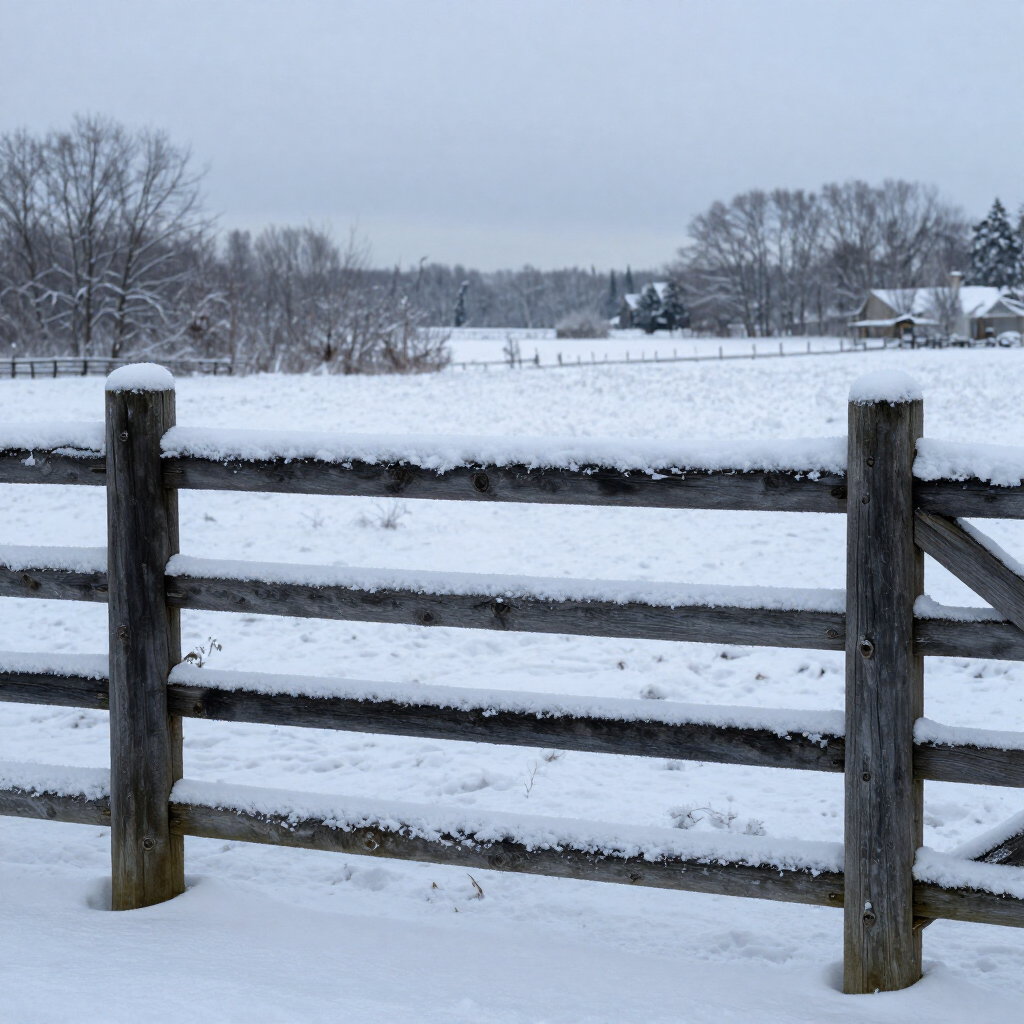
What should the fence accomplish?
Start with the main purpose: privacy, a clearer boundary, space for pets, a defined garden area, or another goal. A fence intended to screen a seating area may need a different design from one meant to preserve an open view. Write down what matters most before choosing a style.
Think about daily use. Where do people enter the yard? Do you move a mower, wheelbarrow, or larger equipment through it? Are there children or pets whose needs affect the layout? A gate that looks proportional in a drawing may be inconvenient if it cannot accommodate normal access.
We use these details to discuss options. The best design serves the property and household rather than simply reproduce a photograph from another home.
Which sections actually need replacement?
Walk the fence from a safe location and identify loose posts, deteriorated rails, broken boards, and gates that no longer operate properly. Separate localized damage from a broader pattern. Take photographs and note whether the problem has changed over time.
A repair may be appropriate for one section while another needs replacement. Do not assume an entire fence must be removed because a gate sags. Conversely, repeated repairs may not be sensible if the supporting structure is widely deteriorated.
Our fence planning conversation can include that distinction. We assess condition and goals before recommending the scope, so you understand which work addresses damage and which work changes the design.
Are the property boundaries clear?
Confirm the boundary before treating an existing fence as a survey line. A fence may have been installed inside a property or follow an old arrangement. If the location is uncertain, obtain appropriate property information and professional advice.
A quote or design sketch is not a legal boundary determination. Discuss any uncertainty early, especially if the proposed fence moves from its current position. Neighbour conversations are easier when everyone understands the information being used.
Keep relevant documents together with the plan. Resolving a boundary question before materials and labour are scheduled can prevent avoidable conflict and rework.
What local rules apply?
Check current City of Hamilton requirements for fence height, location, sightlines, pools, and any other feature relevant to your property. Different conditions may apply to front yards, corner lots, or pool enclosures. Do not copy a neighbour's fence as proof that your proposed design is permitted.
Ask what approvals or inspections may be necessary and who will handle them. If the project includes a pool or another regulated enclosure, treat it as a specific compliance task, not an ordinary decorative fence.
We can discuss product and installation options, while the relevant authority determines applicable local requirements. Keep those responsibilities clear in the project plan.
How should you involve a neighbour?
If the fence is shared or near a boundary, discuss the plan before work is imminent. Explain the proposed location, appearance, timing, and access needs. If costs or maintenance will be shared, document the agreement appropriately.
Do not assume a neighbour must pay half merely because the fence is between properties. Legal obligations depend on the situation and applicable rules. Seek appropriate advice if there is a disagreement.
Even when the work is entirely on your property, advance communication can make access and scheduling smoother. A practical conversation is often easier during planning than on the morning a crew arrives.
Which material should you compare?
Material choice affects appearance, maintenance, privacy, and the overall project. Wood, metal, and other offered systems have different designs and installation details. Confirm what Davis Fences currently offers and compare the exact products rather than broad labels alone.
If you are considering wood, ask about board style, posts, rails, fasteners, finish options, and care. A material should suit the yard and your willingness to maintain it. “Low maintenance” does not mean no inspection or cleaning.
Our wood fencing options provide a starting point for that discussion. Bring the style you like and the practical concerns you want the fence to address.
How much privacy do you want?
Decide where privacy is needed rather than assume the entire yard requires the same treatment. A seating area beside a neighbour may benefit from more screening, while another section may look better open.
Board spacing, height, orientation, grade, and viewing angle affect the result. Ask how the chosen design appears from both sides and how gaps or natural material movement may change the appearance over time.
Avoid promising yourself total visual isolation from one catalogue image. Discuss the actual sightlines at the property and any restrictions on height or placement.
What should you decide about gates?
List the people and equipment that need to pass through. Measure the widest routine item and consider the opening, posts, swing, latch position, and surrounding space. A double gate may serve a different purpose from a pedestrian gate.
Think about winter snow, uneven ground, and the path on either side. A gate can be wide enough yet difficult to use if it opens into a slope or a crowded storage area. Where security or a pool is involved, hardware and operation may have specific requirements.
Tell us how often the gate will be used and whether it needs to accommodate deliveries or maintenance access. Those details should shape the design before posts are placed.
How does a slope change the plan?
A sloping yard may call for a stepped or racked arrangement depending on the system and site. The choice affects the top line, gaps near the ground, privacy, and appearance. Compare what each option would look like on your property.
Ground clearance matters if pets are part of the plan. Do not assume a photograph on flat ground shows how the same fence will meet a slope. Drainage and future grading also need consideration.
If major landscaping is planned, coordinate it before final fence measurements. A change in grade after installation can alter clearance and create new problems.
What should you know about utilities?
Fence posts require ground disturbance, so underground services must be considered before installation. Follow the applicable utility-locate process and account for private services that may not be covered by a standard locate. The responsible parties should know who is arranging each step.
Do not guess locations from where a meter or appliance sits. Irrigation, lighting, gas, electrical, and other lines can take unexpected routes. Share any plans or records you have.
Utility planning should be part of the schedule rather than an afterthought. A design may need adjustment if a proposed post conflicts with a service.
How do access and existing landscaping affect the quote?
Tell us about narrow gates, stairs, retaining walls, mature plantings, sheds, and difficult routes to the work area. Removing old fencing and bringing in materials may require more planning than the visible fence length suggests.
Identify plants or surfaces you want protected and discuss what access is necessary. A contractor cannot promise zero disturbance without understanding the route and work. Clear expectations help everyone plan.
If an old fence must be removed, confirm whether disposal is included. Also discuss any components you want retained rather than discarded.
What should an estimate describe?
Look for the fence length and sections, material and design, posts and hardware, gates, removal, disposal, and any relevant exclusions. Ask whether site preparation, utility coordination, or approvals are included or assigned elsewhere.
Compare estimates using the same scope. A lower total may omit a gate, use a different product, or assume easier access. Ask for clarification rather than judging only the price.
Our fence company services can be discussed around your property and goals. An initial estimate may need confirmation after a site review or final design decisions.
How should you plan timing?
Use winter to resolve design, boundaries, rules, and neighbour coordination. Ask about the booking process and what affects installation timing. Ground conditions, weather, approvals, material availability, and workload can all influence the schedule.
Do not assume a spring date is guaranteed because you requested a quote in winter. Confirm what constitutes a booking and what information is still needed. Keep any planned landscaping or pool work visible in the conversation.
A flexible but organized plan is more useful than a rigid date with unresolved dependencies. We can discuss the next steps and current availability when you contact us.
What maintenance should you expect?
Ask for care guidance for the exact product and finish. Wood may need periodic attention to appearance and condition, while other systems have their own inspection and cleaning requirements. Gates and hardware deserve routine checks regardless of material.
Inspect after significant weather and address loose or damaged components promptly. Do not lean heavy materials against the fence or make attachments without considering the design. A fence is not automatically intended to support storage or other structures.
Choosing a material you are willing to care for is part of the purchase decision. Maintenance should be discussed before installation, not discovered afterward.
What can you prepare before calling Davis Fences?
Bring approximate measurements, photographs, a property sketch, the purpose of the fence, and your material preferences. Mark gate locations and any known access or boundary concern. Explain whether you want repair, replacement, or a new layout.
If a local requirement or neighbour agreement is already confirmed, have that information available. If it is unresolved, say so. A good planning conversation can identify what needs to happen before a firm installation plan.
You can contact Davis Fences with that outline. We can then discuss the appropriate scope and what a site assessment should address.
Keep a decision sheet for the project
Write the proposed sections, gate positions, material, and unresolved questions on one page. Attach photographs and label which side of the property each shows. If several household members are involved, this gives everyone the same reference when discussing changes.
Record whether a choice is confirmed or still a preference. A sketch of a gate is not the same as an approved opening size, and an assumed boundary is not a surveyed location. Distinguishing those items helps the contractor identify what can be quoted and what needs more information.
Update the sheet after a site visit so old measurements or designs are not used accidentally. A modest amount of organization now can make the final approval much clearer.
Plan the decisions before the installation
We want your new fence to serve the property well beyond the first day. Use the winter to clarify its purpose, resolve location and rule questions, compare materials, and plan access. Davis Fences can help Hamilton homeowners turn those decisions into a practical project scope for the season ahead.


