



Fence Repair or Replacement? How Hamilton Homeowners Can Assess Weather Damage
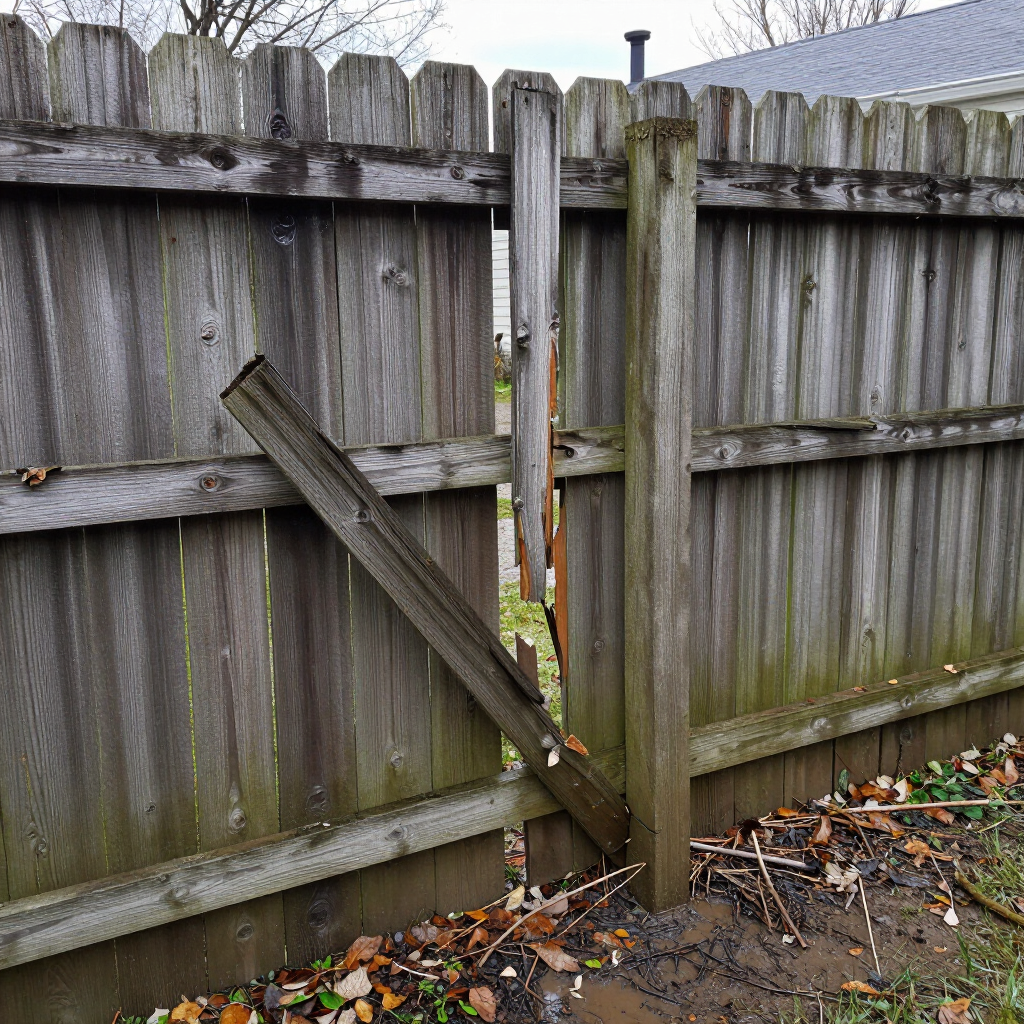
A leaning panel, loose board or gate that no longer closes does not automatically mean the entire fence needs replacement. The right decision depends on the posts, extent of deterioration, original construction, style, property needs and cost of joining new material to old. At Davis Fences, we help Hamilton homeowners assess the complete fence rather than judging one visible board after a storm. Weather damage often reveals an existing weakness. Wind may loosen a panel because a post has decayed at ground level. Freeze-thaw movement can shift footings and pull a gate out of alignment. Snow, moisture and sun can wear finishes and fasteners over time. A repair should address the cause, while replacement should be supported by widespread condition—not simply the age of the fence.
Start with a safe walkaround
Inspect from both sides only where you have permission and safe access. Look for leaning sections, broken boards, exposed fasteners, split rails and posts moving at the base. Keep children and pets away from unstable sections. Do not push heavily on a fence that could fall.
Photograph the damage before moving material, particularly after a storm or when an insurance claim may apply. Note whether the change was sudden or gradual and whether neighbouring trees, structures or construction were involved. This history helps distinguish storm impact from long-term deterioration.
Posts determine more than appearances
Posts support the rails and panels. A fence can look acceptable above ground while a post is weakened where it meets soil. Movement at one post may affect several sections and gate alignment. Replacing boards alone will not stabilize a failing foundation.
Check whether the post is loose, cracked, rotted or pulled out of position. A professional assessment can determine whether a single post can be replaced and connected reliably to the existing fence. When many posts are failing, broader replacement may be more practical.
When a targeted repair makes sense
A repair can be appropriate when damage is isolated, nearby material remains sound and the style can be matched or integrated acceptably. Examples include a few damaged boards, a loose rail, hardware failure or one post affected by impact. A gate may need adjustment, new hardware or structural correction rather than full replacement.
Ask how the repaired section will connect to older material and whether colour differences will be noticeable. New wood will not initially look identical to weathered wood. A sound repair can still be the best choice even when the appearance takes time to blend.
Signs replacement deserves consideration
Widespread rot, multiple loose posts, repeated failures and extensive leaning suggest the fence may be near the end of useful service. If every repair uncovers another weak connection, the total cost and disruption can exceed a planned replacement. A new design may also better suit privacy, airflow, security or maintenance needs.
Replacement can be partial. One property line or a damaged run may be renewed while sound sections remain. Define the boundaries clearly and consider how heights, styles and finishes will meet at transitions.
Assess wood fence boards and rails
Wood can crack, warp and weather without being structurally failed. Surface greying is different from deep rot. Probe only if you know how and have permission; aggressive testing can damage material. Look for boards that pull away from rails, soft areas, fungal growth and fasteners that no longer hold.
Rails carry the boards between posts. A broken or sagging rail can allow a full section to move. Replacing individual boards without repairing the rail produces a short-lived result. We evaluate the assembly, including the post connections.
Gate problems provide useful clues
A gate that drags may have loose hinges, a sagging frame, a shifted post or ground movement. Adjusting the latch can hide the symptom for a while without correcting the cause. Check whether the opening is still square and whether both supporting posts are stable.
Gate width and weight influence hardware demands. If replacement is needed, the frame, hinges, latch and clearance should be planned together. A reliable gate should open without lifting and remain secure in wind.
Wind damage and fallen branches
After severe weather, identify immediate hazards before cleanup. A section under tension or a branch resting on a fence can move unexpectedly. Tree removal and electrical hazards may require other qualified professionals before fence work begins.
Once safe, determine whether the impact broke otherwise healthy material or exposed decay. An isolated impact repair differs from a fence that failed along several weakened posts. Provide photographs and measurements when requesting an estimate.
Freeze-thaw and drainage
Water around posts can contribute to movement and deterioration. Freeze-thaw cycles may shift soil and change alignment. Replacement should consider grading and drainage conditions rather than installing new material into the same unresolved problem.
Do not pile soil or mulch high against wood components. Keep sprinklers from repeatedly soaking the fence where possible. If the yard holds standing water, landscaping or drainage advice may be needed alongside fence work.
Privacy and airflow
Repairing an existing style preserves its original balance of privacy and airflow. Replacement creates an opportunity to reconsider it. Davis Fences offers wood styles including alternating “good neighbour” fencing, which is symmetrical on both sides and semi-private, and boards-on-one-side designs.
An alternating style allows more airflow than a fully closed appearance. Boards on one side can be an economical, straightforward option. The right choice depends on neighbour views, wind exposure, yard use and local requirements.
Property lines and neighbor communication
Confirm the property line before changing a boundary fence. An old fence is not always an accurate survey marker. Discuss shared work with neighbours and document agreements about cost, style and access. A contractor cannot resolve a property dispute.
Check municipal requirements and utility-locate obligations before digging. Heights, corner visibility, pools and special properties can have additional rules. Permit or approval needs should be confirmed for the exact project.
Repair cost versus long-term value
Compare the cost of the current repair with the likely remaining life of adjacent sections. A low-cost patch may be sensible on a sound fence, while repeated repairs to failing posts can become expensive. Include disposal, access, staining and landscaping restoration in the comparison.
Ask for separate options where possible: targeted repair, partial replacement and full replacement. Understand what is included, what could change after excavation and how unexpected conditions will be approved.
Matching an existing fence
Board dimensions, profiles and materials may have changed since the original installation. Exact matching is not always possible. New pressure-treated wood can vary in colour and moisture and will weather over time. Decorative caps, lattice or trim may require special sourcing.
Decide whether close coordination or intentional contrast is preferable. A clear transition at a post can look better than an imperfect attempt to disguise a new section. We discuss realistic appearance before work begins.
Finishing and maintenance
Follow guidance for drying and finishing new wood. Applying stain or paint too soon can produce poor results, while leaving wood without the intended protection for too long may affect appearance. Product instructions and material condition should control timing.
Inspect the fence seasonally for loose fasteners, vegetation, soil contact and drainage. Trim plants so moisture does not remain trapped against boards. Clean with methods appropriate to the material and avoid pressure that damages the surface.
Structural support for accessories
Do not hang heavy planters, screens or equipment from an aging fence without checking capacity. Added wind load can stress posts and panels. A decorative feature that seems light can act like a sail during a storm.
If privacy screens or lattice are part of a replacement, include them in the original design and support plan. Retrofitting them later can change the forces on the fence.
Insurance and storm documentation
Insurance coverage varies. Photograph the fence before cleanup, record the event and contact the insurer promptly if you may claim. Prevent further damage safely, but do not dispose of evidence before understanding documentation requirements.
Ask the contractor to distinguish storm damage from pre-existing deterioration where possible. An estimate can describe repair scope, but coverage decisions belong to the insurer and policy.
How to prepare for an estimate
Measure the approximate length and height of the damaged run and count affected posts, panels and gates. Take wide photographs that show the relationship to the yard, then close-ups of the damage. Note access width, stairs, slopes, gardens and any structures near the fence. Tell us whether the yard contains a pool or requires secure containment for pets.
Share any survey, previous estimate or style information you have, but do not worry if the original contractor or product is unknown. We can assess what is visible and explain where uncertainty remains. Make sure we know about buried irrigation, lighting or other private lines; public utility locates do not identify every homeowner-installed feature.
Repair sequencing matters
An unstable section may need temporary securing before final materials are available. Temporary work should be clearly identified and should not be mistaken for a permanent repair. If a tree, shed or retaining feature caused the damage, address that source in the correct order so the new fence is not immediately affected.
When several contractors are involved, define who removes debris, restores planting and repairs adjacent surfaces. A fence installer should have a clear, safe site. Coordinating work avoids placing a new panel where excavation or tree work still needs to occur.
Comparing wood with other materials
A weather-damage decision may prompt questions about vinyl, metal or composite-style products. Compare privacy, appearance, maintenance, impact response, installation requirements and cost rather than assuming one material is universally stronger. The neighbourhood, property grade and existing structures also matter.
If only one section is being replaced, a material change can look abrupt. It may require a planned transition or a larger scope. We can discuss available fencing options, while the final choice should fit the property and applicable rules.
How long should a fence last?
There is no single lifespan for every fence. Material, installation, drainage, exposure, maintenance and impact all change the outcome. A fence beside a sheltered yard may weather differently from one facing open wind and road salt. Use condition and repair history as evidence rather than relying on a broad age estimate.
Keep invoices and photographs after work. They document post locations, materials and changes that may help with future repairs. If a section begins moving again, report it early while the cause is easier to investigate.
Get a clear repair-or-replace recommendation
At Davis Fences, we build and assess wood fencing for Hamilton-area properties. If weather has damaged your fence, send us photographs and describe when the problem appeared. As a trusted local fence company in Hamilton, we can carefully evaluate repair, partial replacement and new-fence options so you can confidently choose a solution that fits the condition of the property and the way you use your yard.