

Essential Tips for Choosing the Right Commercial Fence
Commercial fencing is more than just a boundary line; it is a critical asset for your business. Whether you manage a sprawling industrial complex, a secure data center, or a welcoming retail storefront, the fence you choose impacts security, curb appeal, and operational efficiency.
Choosing the wrong fence can lead to costly repairs, security breaches, or a look that clashes with your brand image. This guide walks you through the essential factors to consider when selecting a commercial fence, ensuring your investment pays off for years to come.
Why Your Choice of Commercial Fencing Matters
A fence does heavy lifting for your property. It’s often the first line of defense against intruders and the first thing clients see when they arrive. Before diving into materials and costs, it helps to understand the primary roles a commercial fence plays.
Enhanced Security and Safety
Security is usually the top priority. A robust fence deters unauthorized access, protects expensive equipment, and keeps employees safe. For businesses like schools or daycares, safety is paramount, ensuring children stay within designated areas and strangers stay out.
Improved Privacy
Some businesses operate better away from prying eyes. Manufacturing plants, law firms, or private clubs often require barriers that block sightlines to protect trade secrets or client confidentiality.
Aesthetics and Branding
Your property's exterior speaks volumes about your company. A sleek, modern aluminum fence suggests professionalism and innovation, while a classic wrought iron look might convey stability and tradition.
Access Control
Fencing dictates how traffic flows in and out of your property. It works in tandem with gates and entry systems to manage deliveries, employee parking, and customer access.
Key Factors to Consider Before Installation
Don't rush the decision. Take time to evaluate your specific needs against these critical factors.
1. Define Your Primary Objective
What is the single most important job for this fence? If it is high-security, you need anti-climb features and sturdy materials. If it is purely decorative to mark property lines, you have more flexibility with design. Prioritizing your goals helps narrow down the overwhelming number of options.
2. Understand Zoning and Regulations
Commercial properties often face stricter zoning laws than residential ones. Local municipalities may have specific rules regarding:
- Maximum fence height
- Allowed materials (e.g., restrictions on barbed wire)
- Setback requirements from the road
- Permits needed for installation
Checking these regulations early saves you from potential fines or the nightmare of having to tear down a brand-new fence.
3. Consider Maintenance Requirements
As a business owner, you likely don't have time for extensive fence maintenance. Materials like wood offer a natural look but require regular staining and sealing to prevent rot. Alternatively, vinyl or aluminum options are often "install and forget," requiring only an occasional wash. Be honest about how much maintenance your facilities team can handle.
4. Set a Realistic Budget
Commercial fencing is a significant capital expenditure. Your budget needs to cover not just the initial material and installation costs, but also long-term maintenance. Sometimes, spending more upfront on a durable material like steel saves money on repairs over the fence's lifespan.
Choosing the Right Material
The material you select dictates the fence's longevity, appearance, and security level. Here is a breakdown of popular commercial fencing materials.
Chain Link Fencing
Best for: Security, budget-conscious projects, industrial sites.
Chain link is the workhorse of commercial fencing. It is cost-effective, durable, and effective for securing large perimeters. While not the most stylish, modern options include vinyl coatings in black or green to soften the industrial look and prevent rust. It allows for clear visibility, which is crucial for security teams monitoring a perimeter.
Aluminum and Steel Ornamental Fencing
Best for: Aesthetics, durability, corporate headquarters, retail centers.
If image is important, ornamental metal fencing is a top contender. It mimics the classic look of wrought iron but offers superior durability and weather resistance. Steel provides incredible strength, making it difficult to cut or breach, while aluminum is naturally resistant to corrosion, making it ideal for humid climates.
Vinyl (PVC) Fencing
Best for: Privacy, low maintenance, housing developments, healthcare facilities.
Vinyl is clean, professional, and virtually maintenance-free. It won't rot, rust, or peel. Solid vinyl panels provide excellent privacy, blocking sightlines completely. It is also available in various colors and textures to match your building's exterior.
Wood Fencing
Best for: Natural aesthetics, privacy, restaurants, boutique businesses.
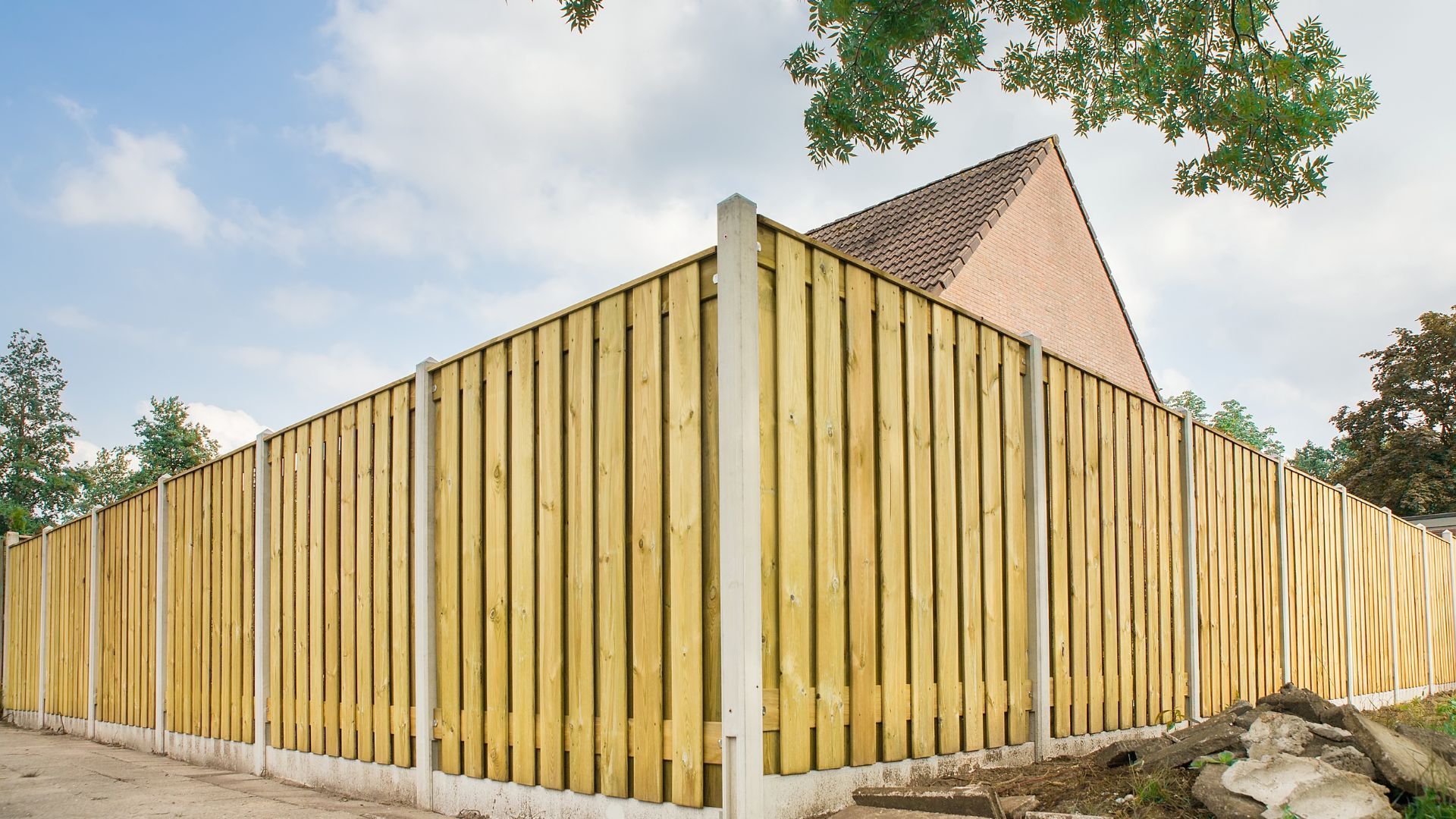
Wood offers a warmth and classic appeal that synthetic materials can't always match. It is excellent for privacy and dampening street noise. However, it requires a commitment to maintenance to keep it looking professional and structural sound.
Security Features to Integrate
For many businesses, a simple fence isn't enough. You may need to integrate additional security features to create a truly secure perimeter.
- Automated Gates: Control entry with keypads, card readers, or remote access. This ensures only authorized personnel enter sensitive areas.
- Anti-Climb Toppers: For high-security zones, consider adding barbed wire, razor wire, or angled toppers that make scaling the fence nearly impossible.
- Crash Ratings: In high-risk areas, you might need fencing rated to stop vehicles. Anti-crash fences and bollards prevent vehicles from ramming into buildings or secure zones.
- Security Cameras: Plan your fence layout to work with your surveillance system. Ensure the fence doesn't create blind spots for your cameras.
Finding the Right Partner: Davis Fences
Selecting the right material is only half the battle; proper installation is what ensures the fence stands the test of time. Poor installation can lead to sagging, instability, and premature failure.
This is where Davis Fences excels. As a reliable provider of commercial fencing solutions, they understand the unique challenges business owners face. They don't just sell fences; they provide security and property management solutions.
Davis Fences brings expertise to the table that goes beyond digging post holes. They can help you navigate local zoning codes, choose materials that align with your brand, and design a layout that optimizes traffic flow and security. Their commitment to quality service means your project is completed on time, on budget, and to a standard that reflects well on your business. When you work with experts like Davis Fences, you are investing in peace of mind.
The Impact of Climate and Environment
The environment surrounding your commercial property plays a massive role in material selection.
- Coastal Areas: Salt air is brutal on metal. If you are near the ocean, standard steel may rust quickly. Aluminum or vinyl are superior choices here due to their corrosion resistance.
- High Wind Zones: Solid privacy fences can act like sails in strong winds, potentially blowing over. In windy areas, choose slatted fences or chain link that allow air to pass through, reducing the structural load.
- Heavy Vegetation: If your fence line runs through wooded areas, consider how falling branches or root growth might impact the fence. Sturdy steel or chain link can often withstand impact better than vinyl or wood.
Evaluating Long-Term ROI
When presenting a fencing proposal to stakeholders, focus on Return on Investment (ROI).
A cheap fence that needs replacing in five years has a poor ROI. A quality installation from a reputable provider like Davis Fences might cost more initially but can last 20 years or more with minimal upkeep.
Consider the "hidden" ROI as well:
- Reduced Theft: Preventing even one break-in can pay for the entire fence.
- Lower Insurance Premiums: Many insurance companies offer discounts for properties with secure perimeters.
- Increased Property Value: A well-maintained, high-quality fence increases the overall appraisal value of the commercial real estate.
Choosing a commercial fence is a strategic decision that balances security needs, budget constraints, and aesthetic goals. By understanding your objectives, researching materials, and considering the long-term maintenance implications, you can select a barrier that supports your business operations effectively.
Don't leave your property's security to chance. Partner with experienced professionals who can guide you through the technical specifications and installation process. Whether you need high-security steel or low-maintenance vinyl, the right fence is an investment in your company's future.
Ready to secure your commercial property?
Contact Davis Fences today to discuss your project and discover how their expertise can provide the perfect fencing solution for your business.