


Best Fencing for Canada's Climate: A Guide for Homeowners
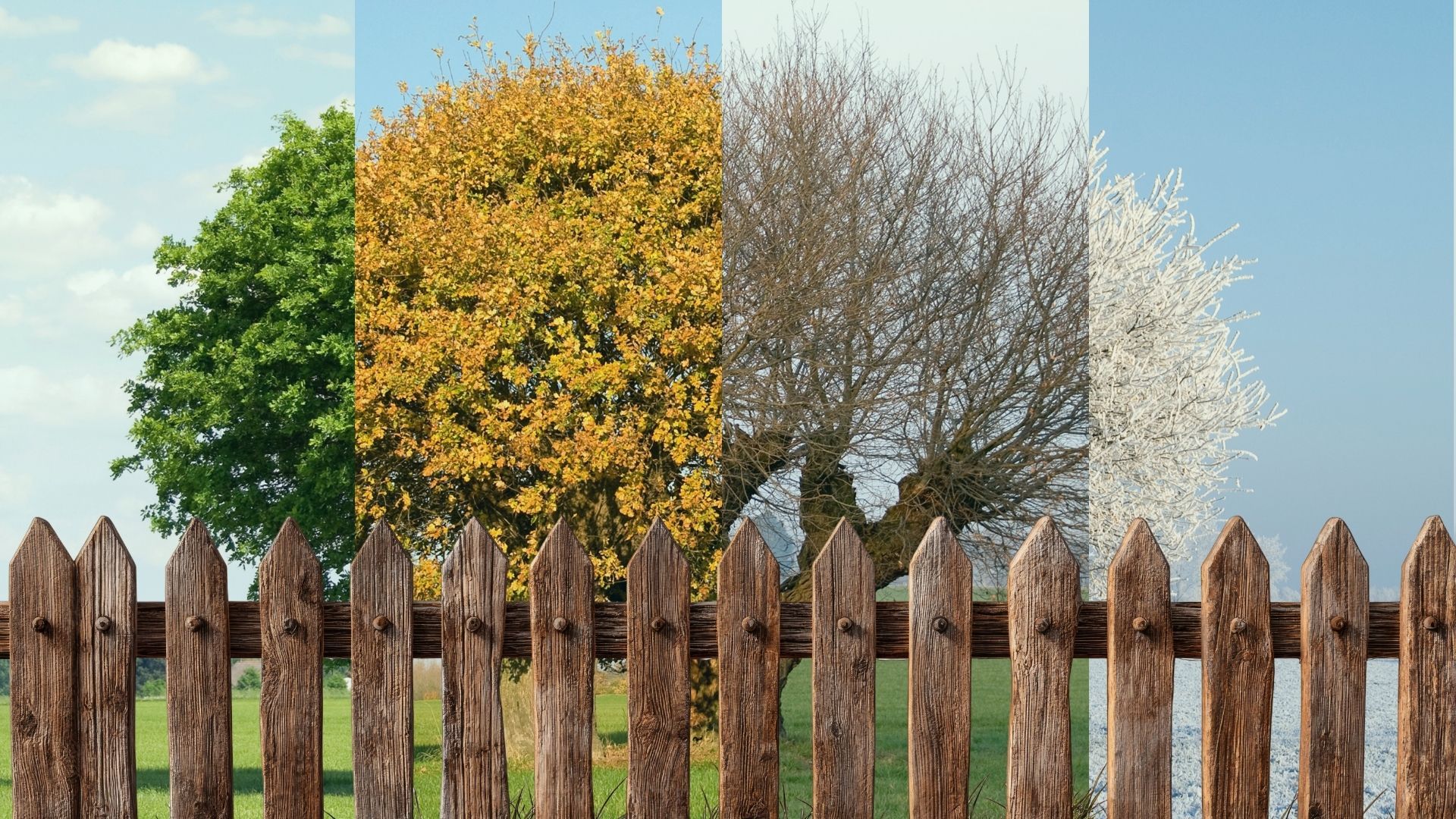
Winters here can be brutal. One day you are dealing with freezing rain, the next it is a heavy dump of snow, followed by a sudden thaw that turns your yard into a mud pit. If you live in Canada, you know that your home’s exterior needs to be tough. Your fence is no exception.
A fence does more than mark your property line. It offers privacy, security, and curb appeal. But in our climate, it also needs to act as a shield against the elements. Choosing the wrong material can lead to rotting wood, cracked panels, and a lot of wasted money.
This guide explores the best fencing materials for surviving Canadian weather. We will look at durability, maintenance, and why choosing the right partner, like Davis Fences, makes all the difference.
The Challenge of Canadian Weather
Why is fencing in Canada so difficult? It isn’t just the cold. It’s the fluctuation.
Materials expand when they get hot and contract when they get cold. In many parts of Canada, you might experience a 40-degree Celsius swing between winter lows and summer highs. This constant movement puts stress on fence posts, panels, and hardware.
You also have to contend with:
- Frost heave: When moisture in the soil freezes, it expands, pushing fence posts out of the ground.
- Heavy snow loads: Wet snow can weigh hundreds of pounds, snapping weak rails.
- Wind: Blizzards and summer storms can tear down fences that aren’t properly anchored.
- UV radiation: Intense summer sun can fade colors and make certain materials brittle.
Top Contenders for Cold Climates
Not all fences are created equal. Here are the top three materials that consistently perform well in our environment.
1. Vinyl (PVC) Fencing
Vinyl has become incredibly popular in recent years, and for good reason. It is engineered to last.
- Durability: High-quality vinyl is flexible. This might sound like a weakness, but it is actually a strength. When the wind howls, vinyl has a bit of give, which prevents it from snapping. It is also impervious to moisture. It won’t rot, warp, or blister like wood. Modern vinyl also comes with UV inhibitors to prevent yellowing or chalking in the sun.
- Maintenance: This is where vinyl truly shines. You can put away the paintbrushes and stain cans. A simple wash with a garden hose and some mild soap in the spring is usually all it takes to keep it looking new.
- Verdict: Excellent for homeowners who want a "set it and forget it" solution.
2. Aluminum Fencing
If you want the look of wrought iron without the rust headaches, aluminum is your best bet.
- Durability: Aluminum does not rust. This is a massive advantage in coastal areas or regions where road salt might splash onto your property. It handles extreme cold very well without becoming brittle. While it might not offer the same privacy as a solid vinyl or wood fence, its strength-to-weight ratio is impressive.
- Maintenance: Like vinyl, maintenance is minimal. Most aluminum fences come with a powder-coated finish that lasts for decades without chipping or peeling.
- Verdict: Perfect for security and aesthetics, especially around pools or front yards where you don't want to block the view completely.
3. Pressure-Treated Wood
Wood is the traditional choice, and it still holds up if you choose the right kind. You cannot just use raw lumber; it needs to be pressure-treated (PT) or a naturally rot-resistant species like Cedar.
- Durability: Pressure-treated wood is infused with preservatives that help it resist rot and insects. It is strong and heavy, which helps it stand firm against strong winds. However, wood is organic. It will eventually succumb to the elements if neglected. It is susceptible to swelling and shrinking as humidity levels change.
- Maintenance: This is the trade-off. To keep a wood fence surviving Canadian winters, you need to stain or seal it every 2-3 years. This protects the wood fibers from moisture absorption and UV damage.
- Verdict: The best choice for those who love a natural look and want a more affordable upfront cost, provided you are willing to do the maintenance.
Installation Matters: The Frost Line
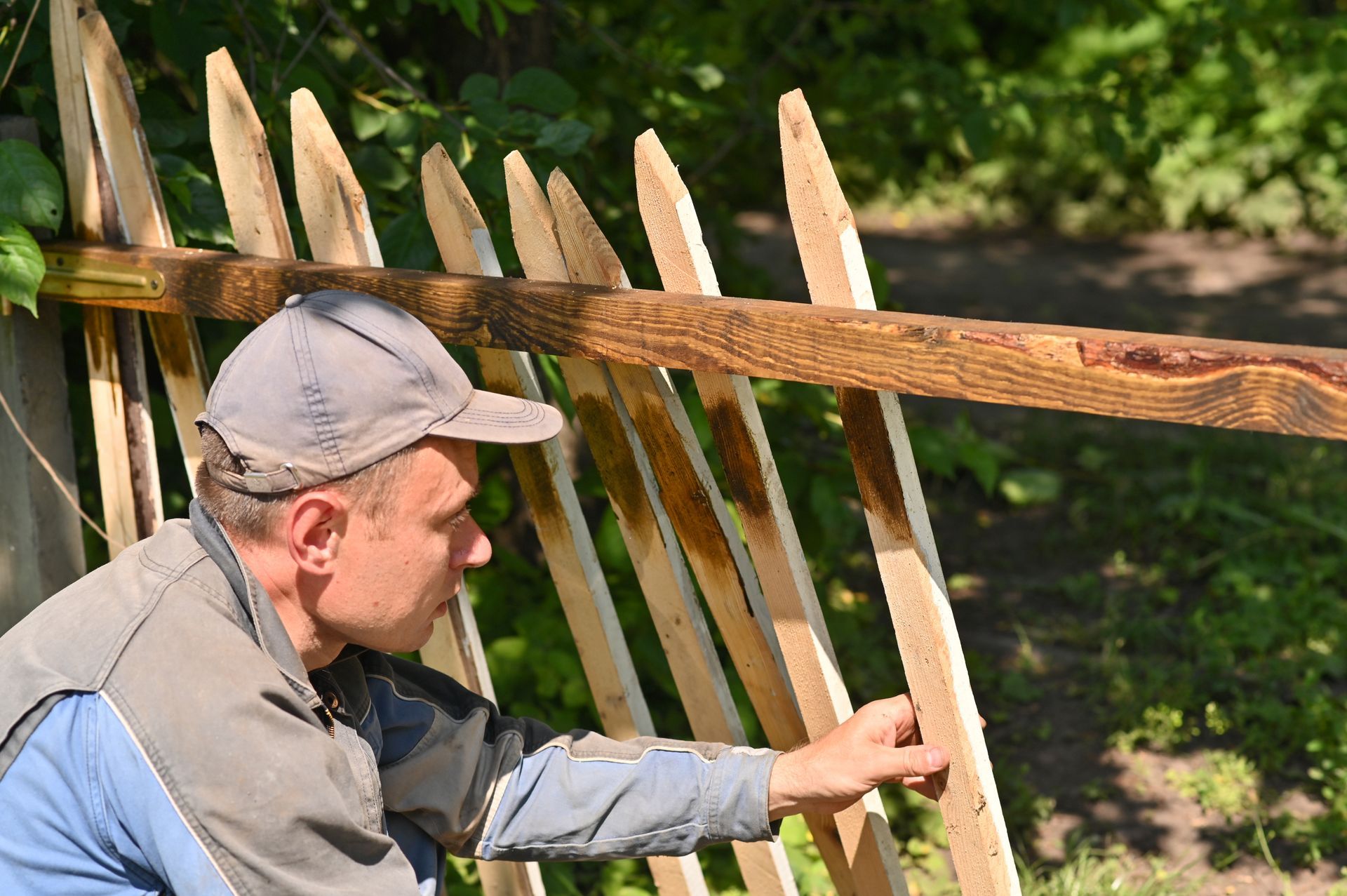
Even the best material will fail if the installation is poor. In Canada, the most critical factor is the frost line. This is the depth to which the groundwater in soil is expected to freeze.
If your fence posts are set above the frost line, the freezing ground will heave them upward. Over a few winters, your straight fence will look like a rollercoaster.
Professional installers know exactly how deep to dig based on your local region. They use concrete footings that extend below the frost line to anchor the fence permanently. This prevents heaving and ensures your investment stays vertical.
Why Expertise Counts
Choosing the right fence can be overwhelming. You have to balance budget, aesthetics, and structural integrity. This is where a trusted provider becomes invaluable.
Davis Fences has established a reputation for understanding exactly what Canadian homes need. They don't just sell fences; they provide solutions tailored to specific environments. Their team understands the local soil conditions, wind patterns, and frost depths.
When you work with Davis Fences, you are getting more than just materials. You are getting:
- Expert Guidance: Honest advice on which materials will work best for your specific yard exposure.
- Quality Materials: Access to high-grade vinyl, aluminum, and wood that you might not find at a big-box store.
- Professional Installation: Peace of mind knowing your posts are set deep and your panels are secure.
Tips for Choosing Your Fence
Before you sign a contract, consider these final tips for your specific region:
- High Wind Areas: If you live in an open area prone to high winds, avoid solid privacy fences. They act like sails and can be blown over. Choose a design with gaps (like shadowbox or aluminum) to let the wind pass through.
- Snow Removal: Think about where you pile your snow. Don't install a fragile fence right where the plow pushes the snowbank. The weight of the snow pile can crush fence panels.
- Drainage: Ensure your fence doesn't block the natural drainage of your yard. Pooling water can damage fence posts and flood your property
Your fence is a long-term investment. By choosing materials like vinyl, aluminum, or pressure-treated wood, you give your property a fighting chance against our harsh climate.
Don't let the weather dictate the lifespan of your fence. Do your research, understand your local conditions, and consult with experts like Davis Fences to ensure you get a durable, beautiful boundary that lasts for years.
Ready to secure your property? Reach out to Davis Fences today to discuss your options and get a quote for a winter-proof solution.